 Cartilage
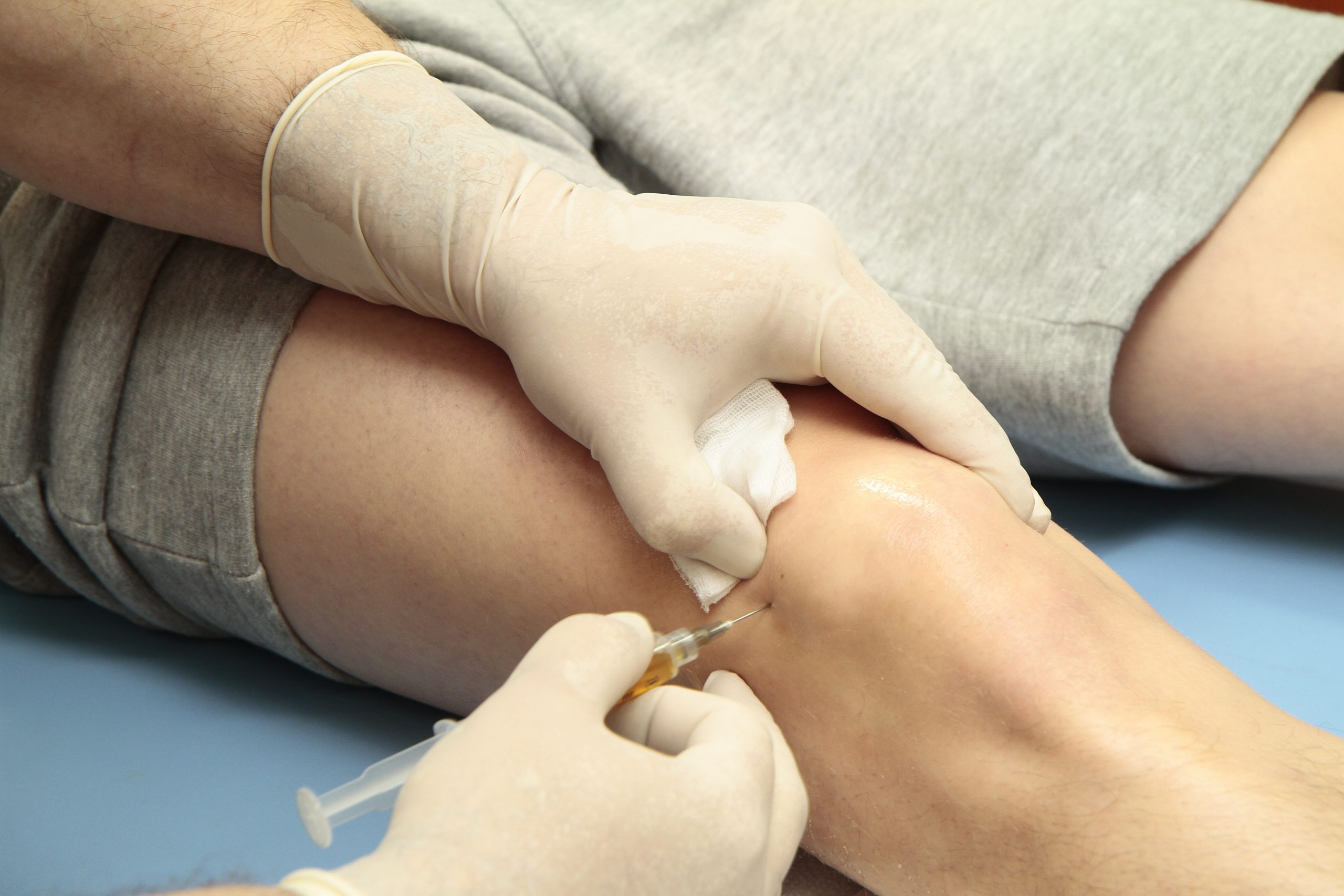 Knees
Knees Hip
Hip Shoulder
Hyaline Cartilage Structure and Its Role in Joint Health
10/03/26


Ankle cartilage injuries are more common than many realise, affecting a large number of people worldwide. Cartilage is vital for the healthy functioning of the ankle joint – it allows smooth movement and acts as a cushion to absorb shocks during everyday activities. When this cartilage is damaged, it can cause pain, limit mobility, and lower your quality of life. These injuries often result from trauma, overuse, or degenerative conditions. In this article, we explore a well-rounded approach to ankle cartilage repair, covering everything from lifestyle adjustments and supplements to cutting-edge clinical treatments and the importance of patient care. We’ll also highlight the expertise of Professor Paul Lee and the London Cartilage Clinic, known for their professional and patient-focused approach.
The ankle joint relies on specialised, tough cartilage that covers the ends of the bones. This cartilage allows the bones to glide smoothly and cushions the joint against impacts when you walk or run. Damage to this cartilage can happen after sudden injuries like sprains or fractures, through repeated stress, or as part of ageing and arthritis. Common symptoms include pain, swelling, stiffness, and difficulty moving the ankle as usual. Diagnosing cartilage damage involves a careful clinical examination and often imaging such as MRI scans to see the extent of the issue. Many patients ask questions like “how to fix cartilage damage in ankle” or “what are the symptoms of ankle cartilage damage?” – showing the need for clear, accessible information.
Research confirms that “the incidence of symptomatic cartilage defects in ankles is high and a challenging problem since the accessibility of the defects is not as easy as it is in the knee” (Nehrer & Vannini, 2016). This means that ankle cartilage problems often require specialised attention.
Before jumping into surgery, there are important lifestyle changes that can support your ankle cartilage and help manage damage. Keeping a healthy weight is key to reducing pressure on your ankle joints. Wearing good quality, supportive footwear can protect your joints during daily activities. Physical therapy also plays a big role, helping to improve ankle strength, flexibility and stability, which can relieve symptoms and prevent further injury. Supplements such as glucosamine and chondroitin are popular for joint health; while some people find them helpful, scientific results vary. Researchers are investigating whether diet and lifestyle can help cartilage regrow naturally – although this is still an emerging field of study. Early, conservative treatment is often recommended before considering surgery. At the London Cartilage Clinic, Professor Paul Lee guides patients through all these options, tailoring recommendations to individual needs.
It’s worth noting that “ankle cartilage is obviously more resilient to biomechanical impact, and also more resilient to the development of osteoarthritis” compared with other joints like the knee (Nehrer & Vannini, 2016). This resilience is encouraging but does not mean the ankle is immune to problems.
When damage to ankle cartilage is severe or doesn’t improve with non-surgical care, surgery may be necessary. Techniques such as microfracture surgery encourage the body to form new cartilage by stimulating the bone underneath the defect. Other options include cartilage grafts and more advanced restorative procedures, tailored to the patient’s specific injury. Cell-based therapies, like implanting chondrocytes (cartilage cells), show promise, but outcomes can vary. For example, research highlights that “chondrocytes from damaged ankle fragments have inferior cartilage-forming capacity compared to those from healthy tissue, possibly due to changes caused by trauma or disease” (Candrian et al., 2010). This means that some cell sources may not be ideal for tissue engineering.
Groundbreaking approaches like autologous chondrocyte implantation have “changed the paradigm of repair of articular cartilage to the regeneration of cartilage” (Nehrer & Vannini, 2016), giving new hope to many patients. Moreover, international expert groups have developed consensus guidelines to help clinicians manage these complex injuries. For instance, “11 statements on osteochondral lesions of the tibial plafond reached consensus, with strong agreement among experts” (Dahmen et al., 2022), providing valuable guidance for treatment.
Recovery after surgery commonly takes several months and involves dedicated rehabilitation, including controlled movement and strengthening exercises. Success depends a great deal on following your rehab plan and overall health. Surgery is just one part of a personalised treatment approach, and expert surgeons like Professor Paul Lee ensure patient care is carefully tailored and supportive.
Treating ankle cartilage damage is more than medical procedures – it’s about supporting the patient every step of the way. Leading clinics adopt a team-based approach, involving surgeons, physiotherapists and educators to tackle both physical recovery and the emotional challenges patients face. Realistic goal-setting and open communication help patients stay motivated and optimise their recovery. Individual care plans allow treatments to be customised, which can improve outcomes and quality of life. While everyone’s journey is unique, many patients find encouragement and renewed hope through compassionate, comprehensive care. Case stories, kept confidential, show how holistic support makes a real difference.
In conclusion, treating ankle cartilage damage effectively involves a blend of prevention, lifestyle changes, considered use of supplements, possible surgical interventions, and ongoing clinical support. There is no one-size-fits-all solution. Each patient’s plan should be personalised in partnership with healthcare professionals to suit their needs and goals. Encouraging advances in research and treatment continue to improve prospects for better joint health and function. Remember, always seek advice from a qualified healthcare professional for your specific condition.
For individual medical advice, please consult a qualified healthcare professional.
The London Cartilage Clinic stands out for its patient-focused care, combining advanced clinical expertise with personalised treatment. Under Professor Paul Lee’s guidance, patients benefit from the latest cartilage repair approaches and tailored plans to address their specific needs.
Professor Paul Lee is a recognised specialist in cartilage repair, serving as Regional Surgical Ambassador, Royal College of Surgeons of Edinburgh Ambassador and Advisor. His extensive clinical experience supports effective treatment and provides reassurance for patients managing ankle cartilage damage.
Non-surgical management includes lifestyle modifications, weight management, supportive footwear, and physical therapy. Supplements like glucosamine and chondroitin may offer additional support. At London Cartilage Clinic, Professor Lee ensures recommendations are personalised, reflecting the latest research and patient circumstances.
Advanced surgical treatments may include microfracture, cartilage grafts, and cell-based therapies. The London Cartilage Clinic, led by Professor Lee, utilises state-of-the-art techniques and international guidelines to achieve the best possible outcomes for complex ankle cartilage issues.
The clinic champions a holistic, team-based approach. Patients work with surgeons, physiotherapists and educators to create tailored rehabilitation plans. Professor Lee emphasises compassionate care, open communication, and realistic goal setting to support both the physical and emotional recovery of every patient.
All our treatments are selected to help patients achieve the best possible outcomes and return to the quality of life they deserve. Get in touch if you have any questions.
At London Cartilage Clinic, we are constantly staying up-to-date on the latest treatment options for knee injuries and ongoing knee health issues. As a result, our patients have access to the best equipment, techniques, and expertise in the field, whether it’s for cartilage repair, regeneration, or replacement.
For the best in patient care and cartilage knowledge, contact London Cartilage Clinic today.
At London Cartilage Clinic, our team has spent years gaining an in-depth understanding of human biology and the skills necessary to provide a wide range of cartilage treatments. It’s our mission to administer comprehensive care through innovative solutions targeted at key areas, including cartilage injuries. During an initial consultation, one of our medical professionals will establish which path forward is best for you.
Contact us if you have any questions about the various treatment methods on offer.
Legal & Medical Disclaimer
This article is written by an independent contributor and reflects their own views and experience, not necessarily those of londoncartilage.com. It is provided for general information and education only and does not constitute medical advice, diagnosis, or treatment.
Always seek personalised advice from a qualified healthcare professional before making decisions about your health. londoncartilage.com accepts no responsibility for errors, omissions, third-party content, or any loss, damage, or injury arising from reliance on this material. If you believe this article contains inaccurate or infringing content, please contact us at [email protected].